Business insurance for transport and haulage
The insurance a haulier or transport company needs: the vehicles, liability for the goods, and what happens when a truck is off the road.
For a haulage company, the biggest risks are the vehicles and the goods. An accident can take a truck off the road for weeks, and anyone carrying someone else's goods can be liable if they are damaged or lost on the way. That is why most hauliers need motor insurance for every vehicle and carrier's liability insurance for the goods.
A haulier's biggest risk
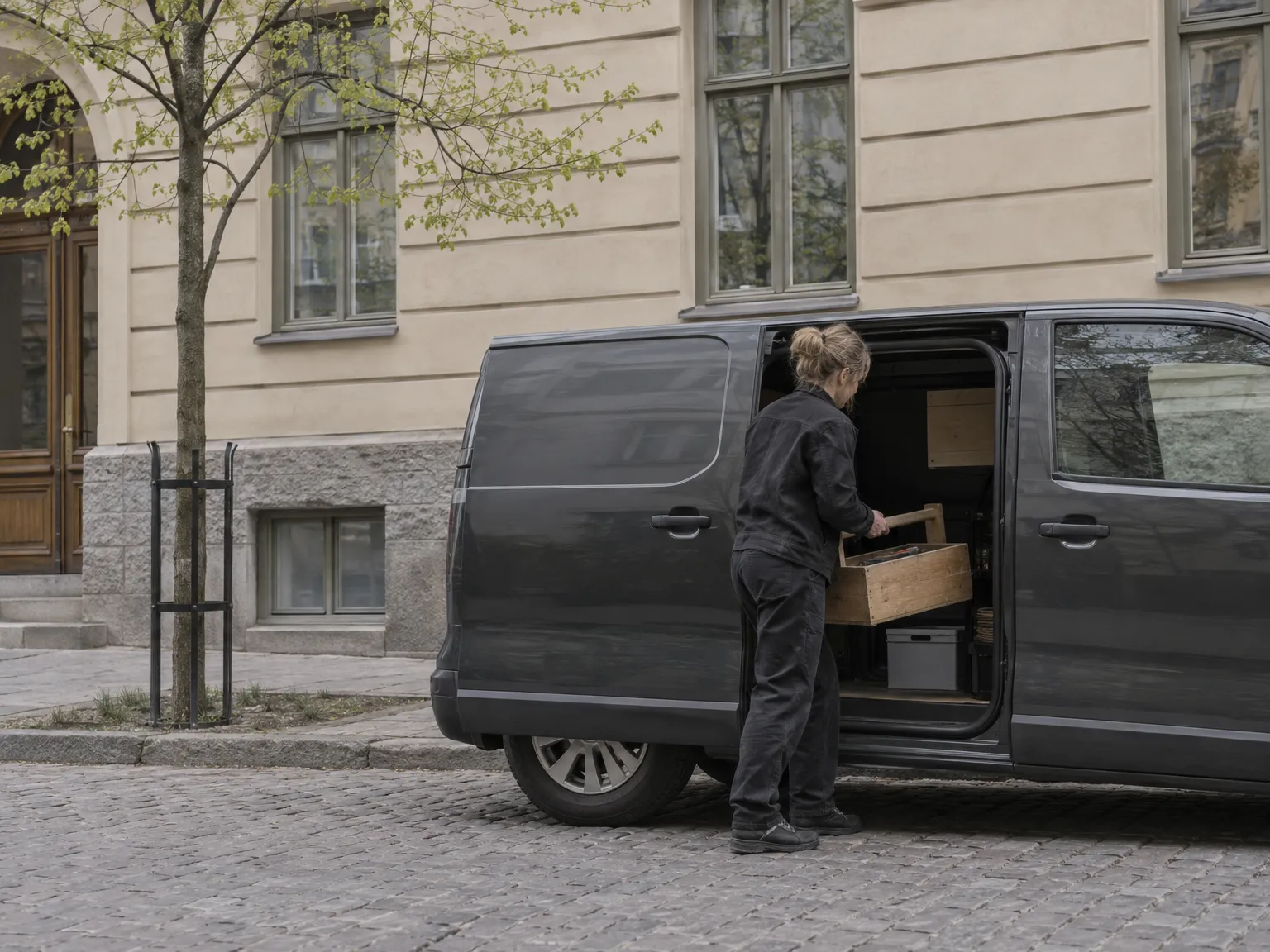
The vehicles are both the biggest asset and the biggest risk. A collision, a truck fire or a stolen trailer costs a lot, and a truck that is standing still earns nothing. For a small haulier with only a few vehicles, a single loss can stop a large part of the business.
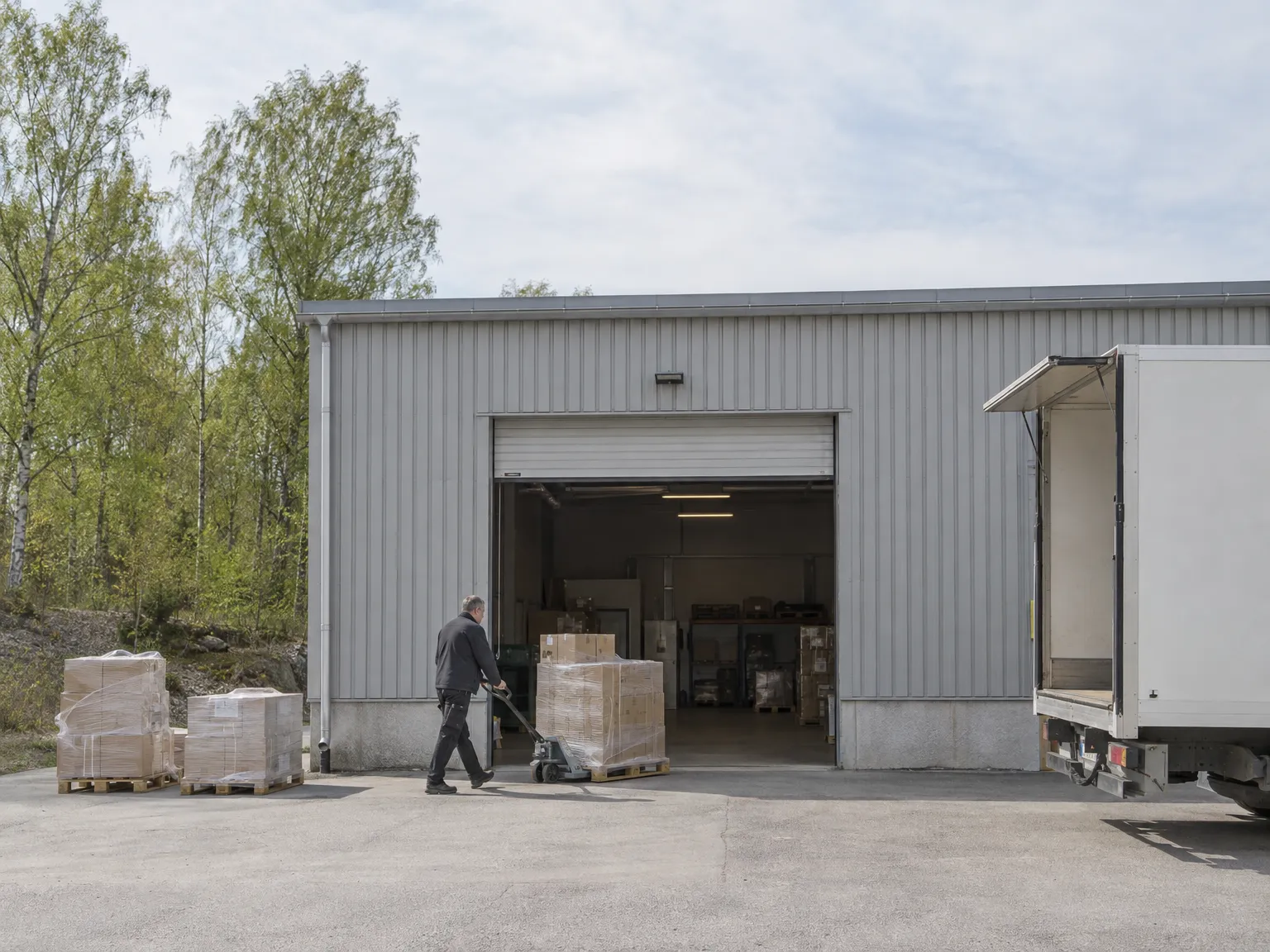
The other risk is the goods. As a carrier, you are responsible for the customer's goods from the moment you receive them until they are delivered. Goods that are crushed, get wet, are stolen or arrive late can lead to claims from the customer.
Example: The load that shifted. A truck carrying pallets of glassware brakes hard on a motorway. The driver has not secured the load properly, so it shifts and much of the glass breaks. The customer claims compensation for the goods. The carrier's liability insurer investigates the claim and pays the customer up to the amount the haulier is liable for, minus the deductible.
What most hauliers need
Vehicles
Trafikförsäkring, the third-party motor cover, is required by law for every vehicle on the road. Most hauliers choose comprehensive cover with own-damage protection for their trucks, and companies with several vehicles often gather them in one fleet policy. Read more about motor insurance.
Carrier's liability
Pays for the customer's goods when you as carrier are liable for damage, loss or delay. Your liability and the amounts are governed by the transport rules, see below. Ordinary liability insurance usually does not cover goods you carry for others.
Business interruption and downtime
Pays the income that disappears when a truck is off the road after damage. Ordinary business interruption insurance usually applies to damage to premises and property. For vehicles there is often a separate add-on, sometimes called downtime insurance (stilleståndsförsäkring).
Property
Premises, workshop, warehouse and equipment that is not part of the vehicles. Read more about property insurance.
What customers and contracts require
- The law and the transport rules. Domestic road transport in Sweden is governed by the Domestic Road Transport Act (lagen om inrikes vägtransport), and international road transport by the CMR Convention. Both set how much you are liable for the goods. Customers can require you to have insurance that covers that liability.
- Haulage licence. Commercial goods transport generally requires a licence (trafiktillstånd) from the Swedish Transport Agency. The insurance is one thing and the licence another, but you need both.
- Clients. Larger transport buyers and freight forwarders often require the haulier to show a certificate of insurance and a set limit before work starts.
- Collective agreements. If the company is bound by a collective agreement, it includes agreement-based insurances for the drivers that the employer must take out.
How much does it cost?
The price mainly depends on the number of vehicles, their type and value, what kind of goods you carry, where you drive and your claims history. Motor insurance is usually the largest part. For more on pricing, see how much business insurance costs.
SNI codes
SNI is the Swedish industry classification. This page covers companies with these codes:
- 49410 Freight transport by road
- 49420 Removal services
- 52100 Warehousing and storage
- 53202 Courier and messenger activities
Frequently asked questions
Does motor insurance cover the goods I carry?
No, usually not. Motor insurance covers the vehicle and the damage the vehicle causes on the road. Your liability for the customer's goods is covered by carrier's liability insurance.
How much am I liable for the goods?
That is set by the Domestic Road Transport Act or, abroad, by the CMR Convention. Both limit liability to a set amount per kilo of goods. If the customer has agreed a higher liability with you, the insurance needs to cover that.
Does the insurance apply when I drive abroad?
It depends on the policy terms. Third-party motor cover applies in large parts of Europe, and carrier's liability can include international transport under CMR. Check which countries your försäkringsbrev (the policy document) covers.
What happens if a driver causes an accident?
Third-party cover pays for injuries to other people and damage to their property. Damage to your own truck is paid by own-damage cover if the truck is comprehensively insured.